

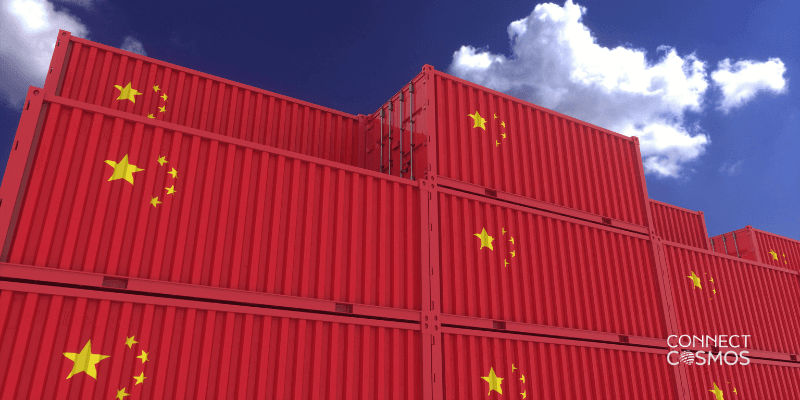
The Cheapest Way to Import From China
Importing from China cost-effectively requires strategic planning and smart decision-making. Key strategies include using free trade agreements, classifying products correctly, and sourcing directly from factories. You can also lower import costs by cutting out middlemen, negotiating bulk orders, and choosing cost-effective shipping.
If you want to maximize cost savings, importers should focus on building direct relationships with Chinese manufacturers and explore alternative sourcing locations. Utilizing full container load shipping, placing larger orders, and staying informed about international trade regulations.
How to Export from China and Import to Your Country in a Cheaper Way

Here are 8 cheapest ways to get goods from China:
1. Leverage Free Trade Agreements (FTAs)
Take advantage of reduced or eliminated import duties through trade agreements between your country and China. Ensure proper documentation to claim these benefits.
For example, a business importing goods from South Korea to the U.S. can leverage the U.S.-South Korea Free Trade Agreement, which reduces tariffs on many products. This allows the business to save money on duties, making their products more affordable and competitive in the market.
2. Optimize Product Classification
When importing goods, it's important to classify them with the right tariff codes to make sure you're paying the correct duties.
For example, if you're importing a piece of equipment, you might adjust its design slightly (a process called tariff engineering) so it fits a category with lower tariffs. This helps reduce the overall costs while staying within the rules and avoiding penalties.
3. Source Directly from Factories
Build relationships directly with Chinese manufacturers to reduce costs. However, if you're really new to the import and export business, it's not a bad idea to make the first orders with a reliable trading company to learn about the process.
4. Place Larger Orders
Placing large orders (ideally 10,000 units or more) can save money because suppliers often give discounts for buying in bulk, meaning the price per item goes down. Also, shipping costs are cheaper per item when you order more since freight fees are based on the total size or weight of the shipment.
Larger orders can also help you get better deals with suppliers, like longer payment terms or lower taxes, which helps reduce costs even more.
5. Choose Cost-Effective Shipping Methods
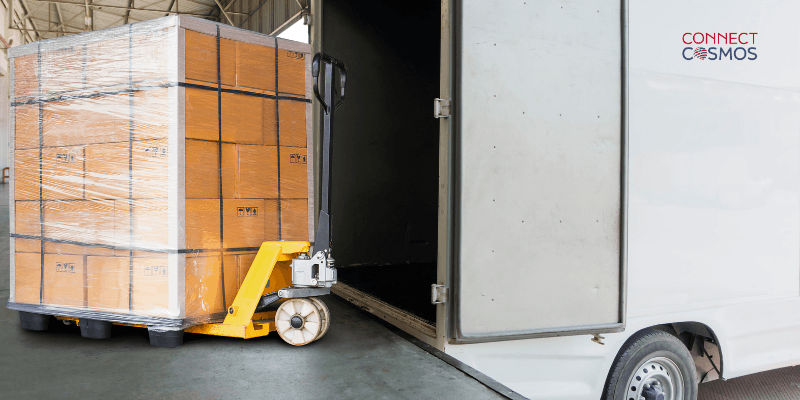
Import-export shipping involves transporting goods from one country to another, typically via air, sea, or land. Businesses choose the best method based on factors like cost, speed, and the nature of the products being shipped.
Opt for sea freight over air freight for larger shipments, and consider Full Container Load (FCL) for substantial orders.
6. Take Advantage of China's Competitive Pricing
Leverage China's cost advantages in manufacturing due to factors like government subsidies and excess capacity.
For example, a company buying electronics from China can save money by using government support for local factories and taking advantage of extra manufacturing space. This helps the company get lower prices, quicker production, and better quality products, thanks to China's strong infrastructure and large-scale production.
7. Consider the De Minimis Threshold
The De Minimis Threshold is a valuable tool for businesses, especially in e-commerce, allowing low-value shipments to enter countries without incurring customs duties or taxes.
Many countries offer duty exemptions for shipments below a certain value, typically ranging from $50 to $800, which can significantly reduce import costs and simplify the customs process. The De Minimis threshold can help businesses cut shipping costs, simplify operations, and offer more competitive prices, especially for small, frequent shipments in online retail.
It's important to know the De Minimis rules in your target market to make the most of this benefit.
8. Explore Alternative Sourcing Locations
The "China Plus One" strategy encourages businesses to diversify their manufacturing and sourcing beyond China to reduce risks from relying on one country. By adding production bases in countries like India, Vietnam, Thailand, and Turkey, companies can lower labor costs, benefit from better tariffs, and access new markets.
This strategy is getting more popular due to higher labor costs in China and geopolitical tensions, prompting firms to create more resilient supply chains.
For instance, India's top air conditioner maker, Voltas, has started producing motors locally to reduce dependence on Chinese imports. Similarly, Indian auto part manufacturers are sourcing from local vendors. By exploring alternative sourcing locations, businesses can lower costs and tap into specialized labor and technologies in emerging markets.
Wrapping Up
Reducing costs when importing from China requires a smart approach that's easy to put into action. Key strategies include using free trade agreements, classifying products correctly, and buying directly from factories.
You can also save money by ordering in bulk, choosing affordable shipping options, and taking advantage of China's low prices. Don't forget to consider de minimis thresholds for low-value shipments and explore other sourcing options to diversify your supply chain.
By using these strategies, you can cut import costs and make your supply chain stronger. Building good relationships with manufacturers and staying updated on trade rules will help you navigate international trade more easily, boosting your profits and reducing risks.
Need help with your sourcing or shipping plan?
Contact Us