
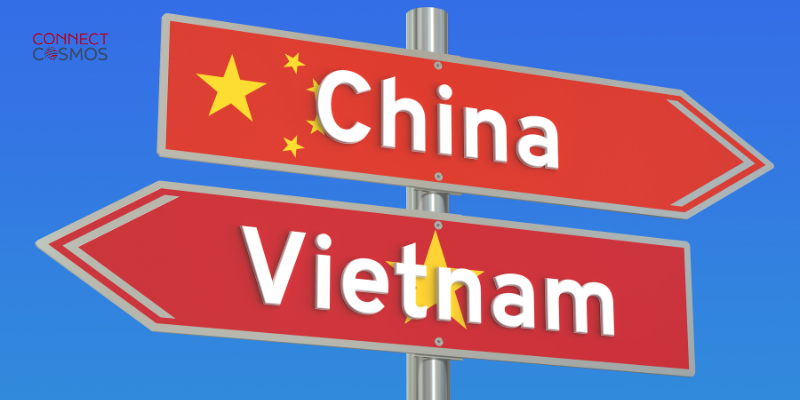
As global supply chains continue to evolve, businesses are rethinking their sourcing strategies to balance cost, quality, and resilience. The debate between Vietnam vs China for sourcing in 2025 is more relevant than ever, especially as companies pursue diversification and adopt "China+1" strategies. This blog post explores the pros and cons of sourcing from both countries, highlights what products each excels at, and introduces the top 3 alternatives to China for sourcing.
Why Consider Sourcing Beyond China in 2025?
- Rising labor costs in China and ongoing geopolitical tensions have pushed businesses to diversify their supply chains.
- Trade agreements and government incentives in Vietnam and other countries are making alternative sourcing destinations more attractive.
- Supply chain resilience is now a top priority, with brands seeking to mitigate risks from over-reliance on a single country.
Top 3 Alternatives to China for Sourcing
When exploring top 3 alternatives to China for sourcing, the following countries stand out in 2025:
| Country | Strengths |
|---|---|
| Vietnam | Electronics, textiles, furniture, footwear, agricultural products |
| India | Textiles, jewelry, electronics, pharmaceuticals |
| Mexico | Home goods, automotive parts, plastics, nearshoring for US market |
Other notable mentions: Turkey (fast fashion), Bangladesh (apparel), Poland (EU manufacturing).
Vietnam vs China: Sourcing Comparison
Cost & Labor
- Vietnam: Labor costs are significantly lower, with monthly wages ranging from $280–$450 USD in major industrial zones. This makes Vietnam highly competitive for labor-intensive products like textiles, footwear, and electronics assembly.
- China: Wages have risen to $750–$900 USD per month, increasing the cost of goods, especially in traditional manufacturing hubs.
Advantage: Vietnam for cost-sensitive products.
Production Capacity & Variety
- China: Offers unmatched production scale and vertical integration. You can source almost anything—from electronics and machinery to toys and apparel—thanks to a mature manufacturing ecosystem.
- Vietnam: Has rapidly developed capabilities in electronics, mechanical parts, textiles, wood products, and agriculture. However, it still depends on China for some raw materials and machinery, especially in complex industries.
Advantage: China for variety and scalability; Vietnam for focused categories.
Infrastructure & Logistics
- China: Boasts world-class ports, railways, and logistics networks, ensuring fast and reliable shipping.
- Vietnam: Logistics have improved, with major ports like Cat Lai and Hai Phong handling growing volumes. However, inland transport and customs can be slower during peak times.
Advantage: China for speed and logistics; Vietnam is improving rapidly.
Trade Agreements & Market Access
- Vietnam: Member of major trade agreements (RCEP, CPTPP, EVFTA), offering reduced tariffs and easier market entry to the EU and Asia-Pacific.
- China: Extensive trade networks but faces higher tariffs in some markets, especially the US.
Advantage: Vietnam for tariff-sensitive exports.
What Should You Source in Vietnam?
Vietnam is a top alternative to China for sourcing in several product categories:
- Textiles & Garments: High-quality, cost-effective, and flexible manufacturing for fashion brands.
- Footwear: Major global brands already produce shoes here due to quality and affordability.
- Wood Products & Furniture: Sustainable forestry and skilled craftsmanship for indoor/outdoor furniture and kitchenware.
- Agricultural Products: Rice, coffee, pepper, seafood, and cashews—Vietnam is a global leader in these exports.
- Electronics & Components: Increasing investments from global tech giants; strong in assembly and select components.
What Should You Source from China?
China remains the go-to for:
- Electronics: Mobile phones, circuit boards, consumer electronics, and advanced technology.
- Machinery & Equipment: Industrial machines, tools, and appliances with high customization options.
- Apparel & Textiles: Diverse designs, massive scale, and affordable pricing.
- Furniture: Large variety, high-quality materials, competitive pricing.
- Toys & Recreational Goods: Innovative designs, safety compliance, and global reach.
- Plastic Products: Packaging, consumer goods, and industrial plastics.
Pros and Cons of Sourcing from Vietnam
Pros:
- Lower labor costs and competitive pricing for labor-intensive goods.
- Access to major trade agreements for reduced tariffs.
- Rapidly improving infrastructure and manufacturing capabilities.
- Political stability and pro-export government policies.
Cons:
- Still relies on China for some raw materials and machinery in complex industries.
- Logistics and customs can be slower than China, especially during peak seasons.
- Limited capacity for highly complex or high-volume orders compared to China.
Pros and Cons of Sourcing from China
Pros:
- Unmatched production scale, variety, and vertical integration.
- World-class logistics and infrastructure for fast, reliable shipping.
- Mature supply chain ecosystem and experienced manufacturers.
Cons:
- Rising labor costs, increasing the price of goods.
- Geopolitical risks and higher tariffs in some export markets.
- Growing competition from alternative sourcing destinations.
Conclusion
Vietnam is an ideal choice for businesses seeking cost-effective, high-quality manufacturing in textiles, footwear, wood products, and select electronics—especially when leveraging trade agreements and lower labor costs. China remains the best option for large-scale, complex, or highly diversified product sourcing, thanks to its mature ecosystem and logistics.
For 2025, a China+1 strategy—using Vietnam or other top alternatives like India and Mexico—offers resilience and flexibility for global brands seeking to optimize their supply chains.