

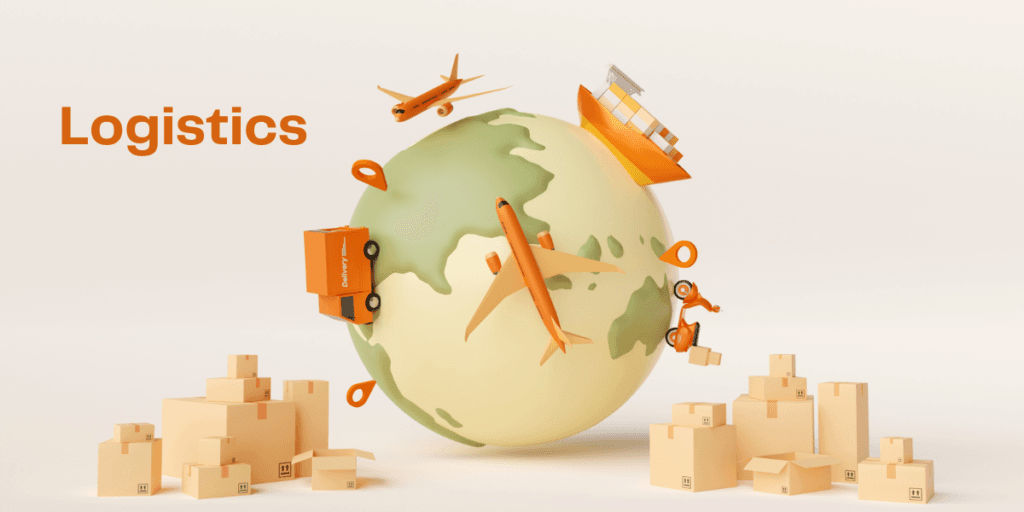
What's a Freight Forwarder
A freight forwarder is a crucial partner in international trade, handling the logistics of moving goods across borders. This guide explains their role and how they can benefit your business.
What Does a Freight Forwarder Do?

A freight forwarder acts as an intermediary between shippers and transportation services, organizing the entire shipping process from pickup to delivery. They handle documentation, customs clearance, and negotiate rates with carriers.
Think of them as travel agents for your cargo - they don't own the vessels or vehicles, but they know how to get your goods where they need to go efficiently and cost-effectively.
Key Services Provided by Freight Forwarders:
- Arranging transportation by air, sea, rail, or road
- Negotiating freight charges and booking cargo space
- Preparing shipping and export documents
- Tracking shipments from origin to destination
- Handling customs clearance and compliance
- Providing cargo insurance
- Consolidating smaller shipments into larger ones
- Offering warehousing and distribution services
Benefits of Using a Freight Forwarder
Expertise & Knowledge
Freight forwarders understand complex shipping regulations, documentation requirements, and have established relationships with carriers.
Cost Savings
They can negotiate better rates due to volume discounts and help you avoid costly mistakes and delays.
Time Efficiency
Outsourcing logistics lets you focus on your core business while experts handle the complex shipping process.
Problem Resolution
When issues arise, freight forwarders have the experience and connections to resolve them quickly.

When Should You Use a Freight Forwarder?
Not every shipment requires a freight forwarder, but they become increasingly valuable in certain scenarios:
International Shipping
When shipping across borders, freight forwarders navigate complex customs regulations and international shipping requirements.
Large or Valuable Shipments
For high-value cargo or large shipments, the expertise and insurance options provided by freight forwarders offer peace of mind.
Complex Logistics
When shipments require multiple transportation modes or have special handling requirements, freight forwarders coordinate the entire process.
Regular Importing/Exporting
Businesses that frequently ship internationally benefit from the consistent service and established relationships freight forwarders provide.
How to Choose the Right Freight Forwarder
Selecting the right freight forwarder is crucial for successful shipping operations. Consider these factors:
1. Experience & Expertise
Look for forwarders with experience in your specific industry and shipping routes. Ask about their knowledge of regulations in your target markets.
2. Service Range
Ensure they offer all the services you need, from documentation and customs clearance to specialized handling if required.
3. Network & Connections
A strong global network means better service and rates. Check their partnerships with carriers and agents in your key markets.
4. Technology & Tracking
Modern freight forwarders offer digital platforms for booking, documentation, and real-time shipment tracking.
5. Customer Service
Responsive communication is essential, especially when problems arise. Test their response time and helpfulness before committing.
Conclusion
Freight forwarders play a vital role in international trade, simplifying complex logistics processes and helping businesses ship goods efficiently across borders. While they add a service cost, the expertise, time savings, and potential cost reductions they provide often make them invaluable partners for importers and exporters.
Whether you're new to international shipping or looking to optimize your existing logistics operations, partnering with the right freight forwarder can significantly improve your supply chain efficiency and reliability.
Need help finding the right freight forwarder for your business?
Contact Us